Canada · Alberta
Banff
The Crown Jewel of the Rockies
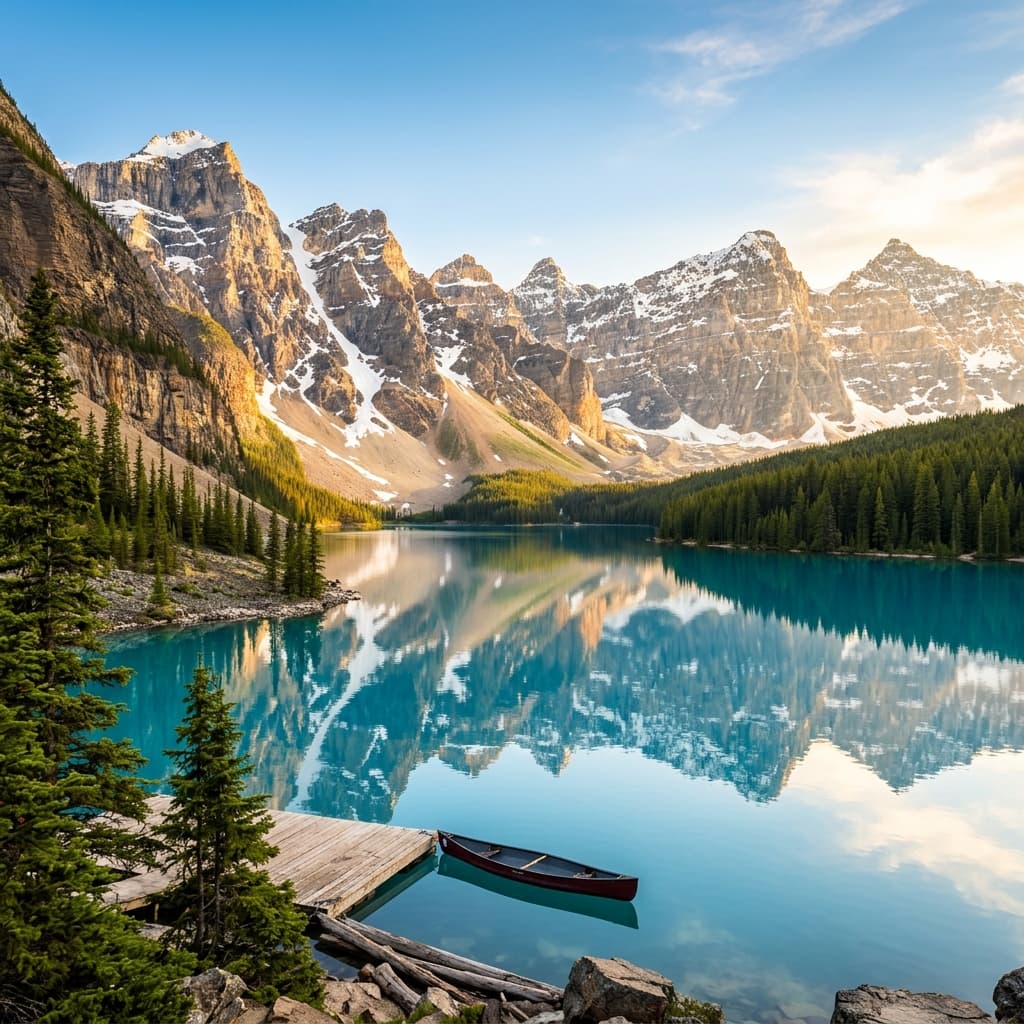
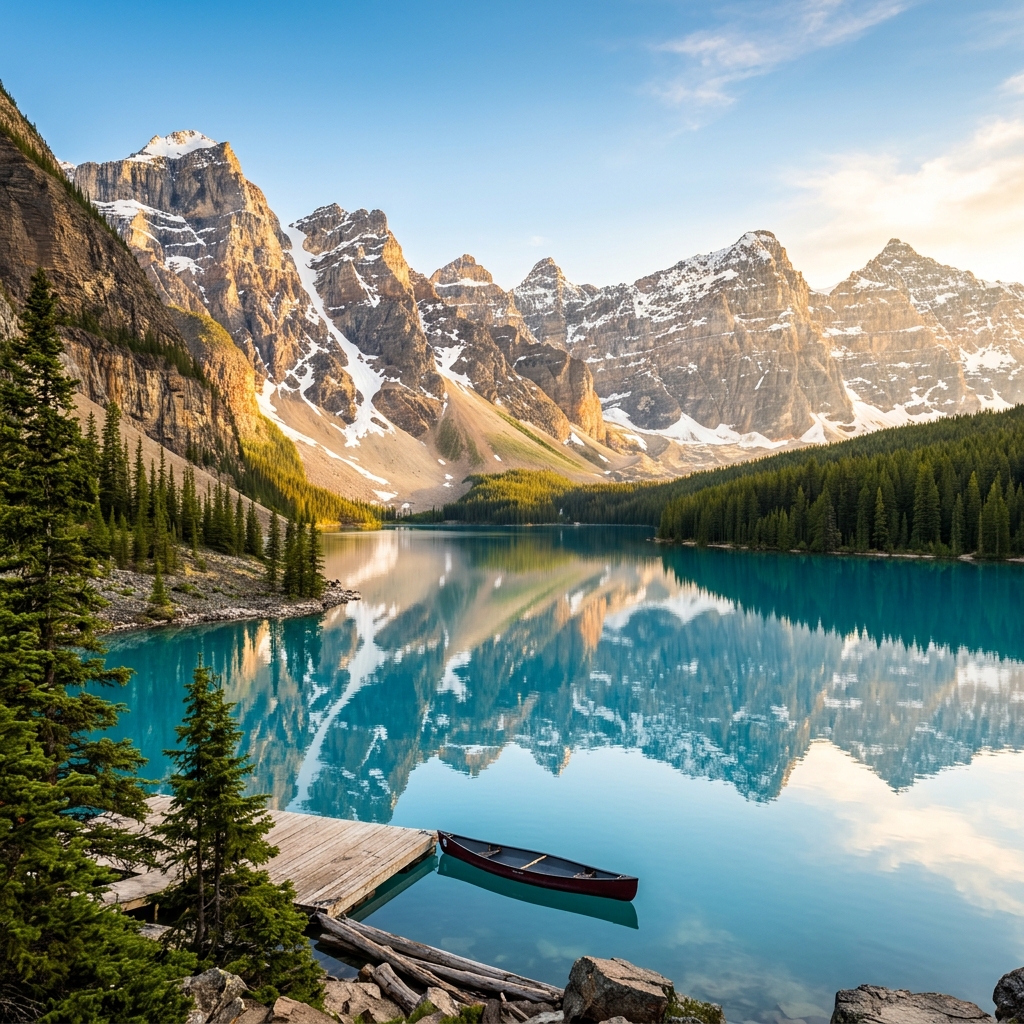
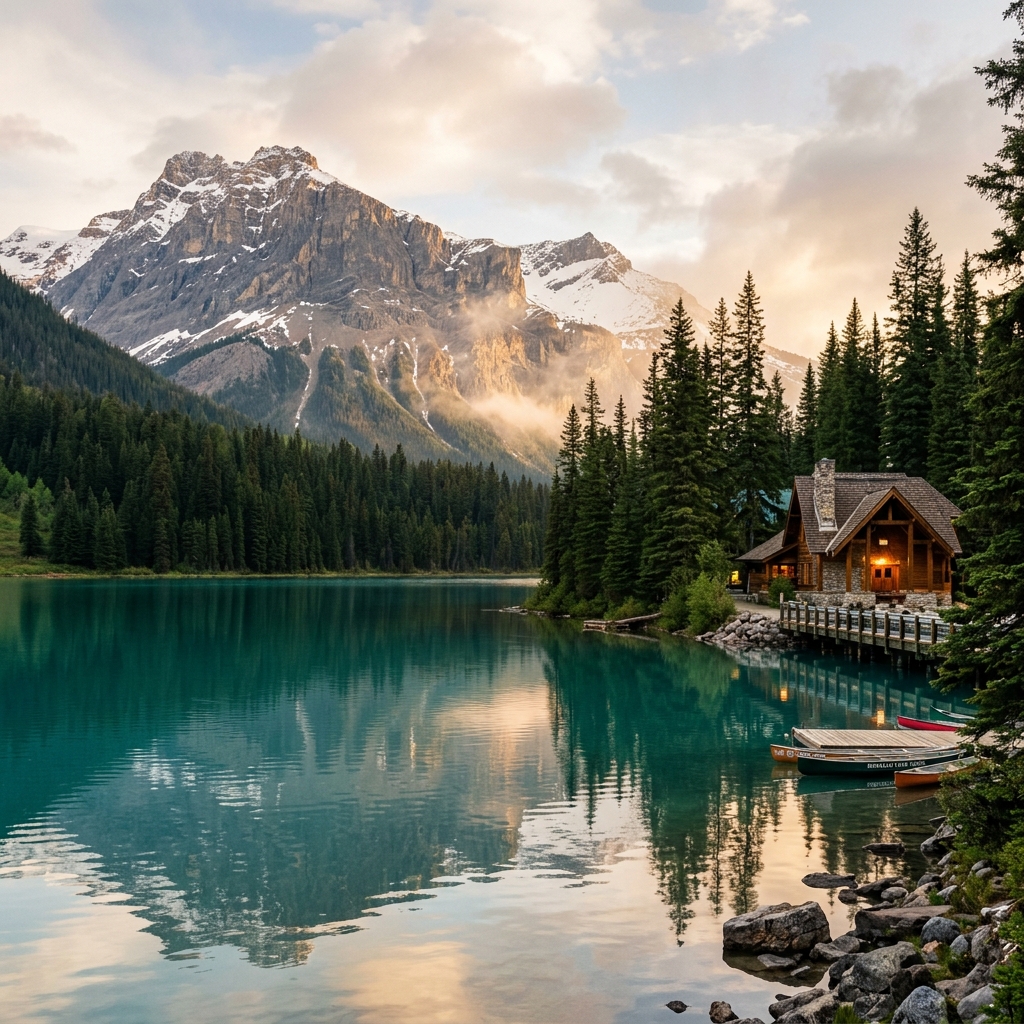
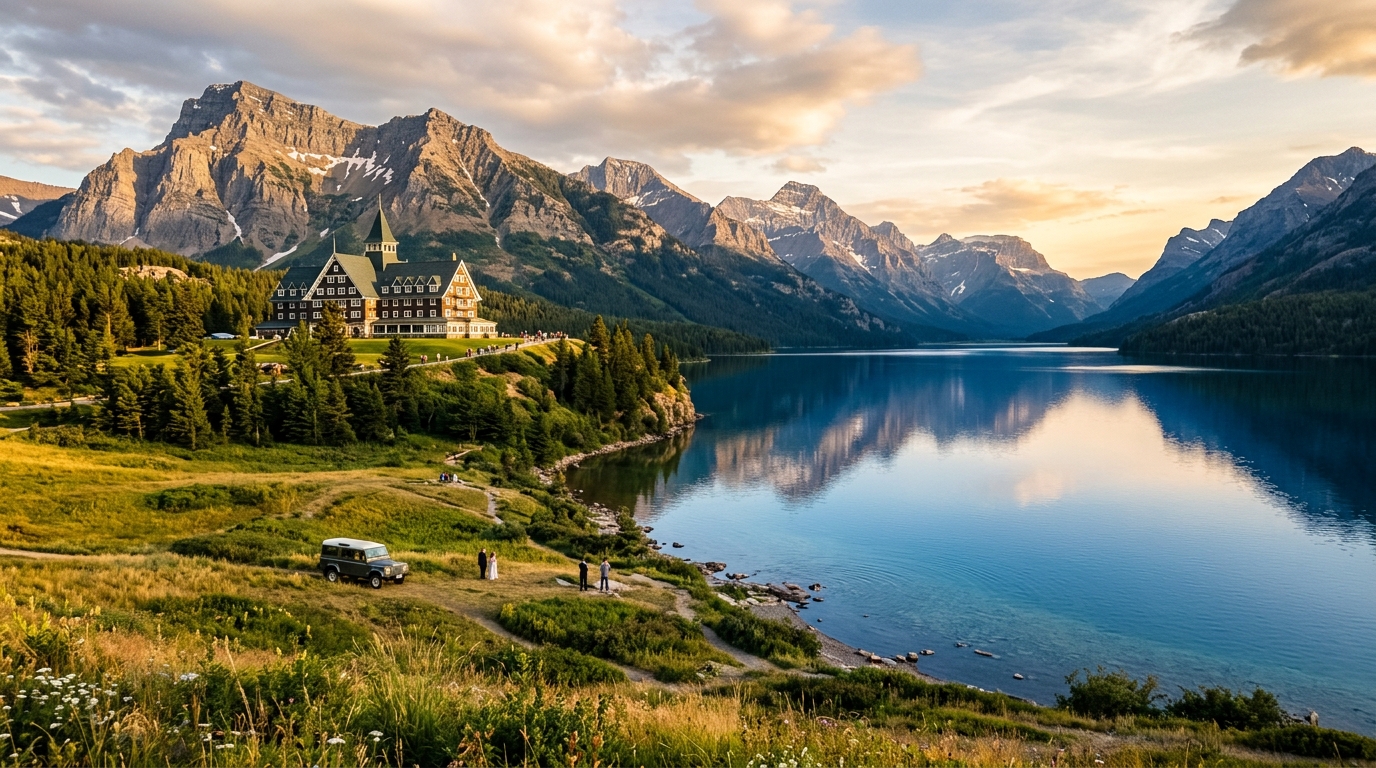
Canada’s first national park is the Canadian Rockies most travellers imagine before they arrive: turquoise glacial lakes, dramatic mountain peaks, waterfalls, wildlife and some of the country’s most celebrated alpine scenery.
Discover the destination
More than a destination
Canada’s first national park is the Canadian Rockies most travellers imagine before they arrive: turquoise glacial lakes, dramatic mountain peaks, waterfalls, wildlife and some of the country’s most celebrated alpine scenery.
For a first visit to the Rockies, begin here.
WATER & WILDERNESS
CANOEING
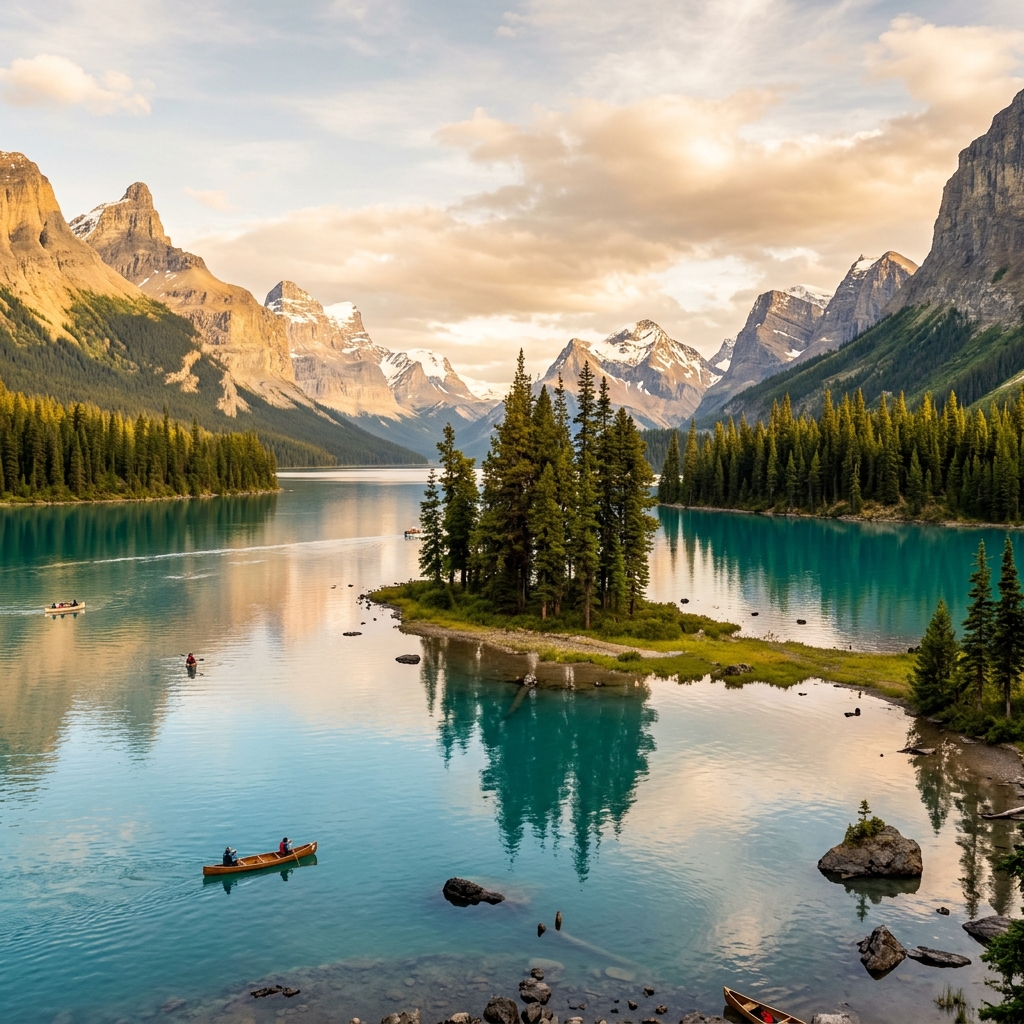
Glide across the brilliant waters of Lake Louise or Moraine Lake beneath soaring peaks and ancient glaciers. Beyond the shoreline, the Rockies become quieter, grander and beautifully immersive.
ALPINE ASCENTS
BANFF GONDOLA
Ascend Sulphur Mountain as the Bow Valley unfolds beneath you. At the summit, sweeping views stretch across six mountain ranges, revealing Banff from an entirely different perspective.
The essentials
A place to understand before you wander
- Location
- Alberta, Canada
- Best time
- June — September
- Ideal stay
- 3 — 5 days
- Known for
- Iconic Landmark · Glacial Gem · Scenic Highway
- Climate
- Alpine — cool summers, snowy winters
- Protected since
- 1885
In the landscape
Things to do
Alpine Ascents
Banff Gondola
Ride to the summit of Sulphur Mountain for panoramic views above Banff.
Panoramic Views
Lake Louise Summer Gondola
Reach the alpine effortlessly for mountain views and summer hiking.
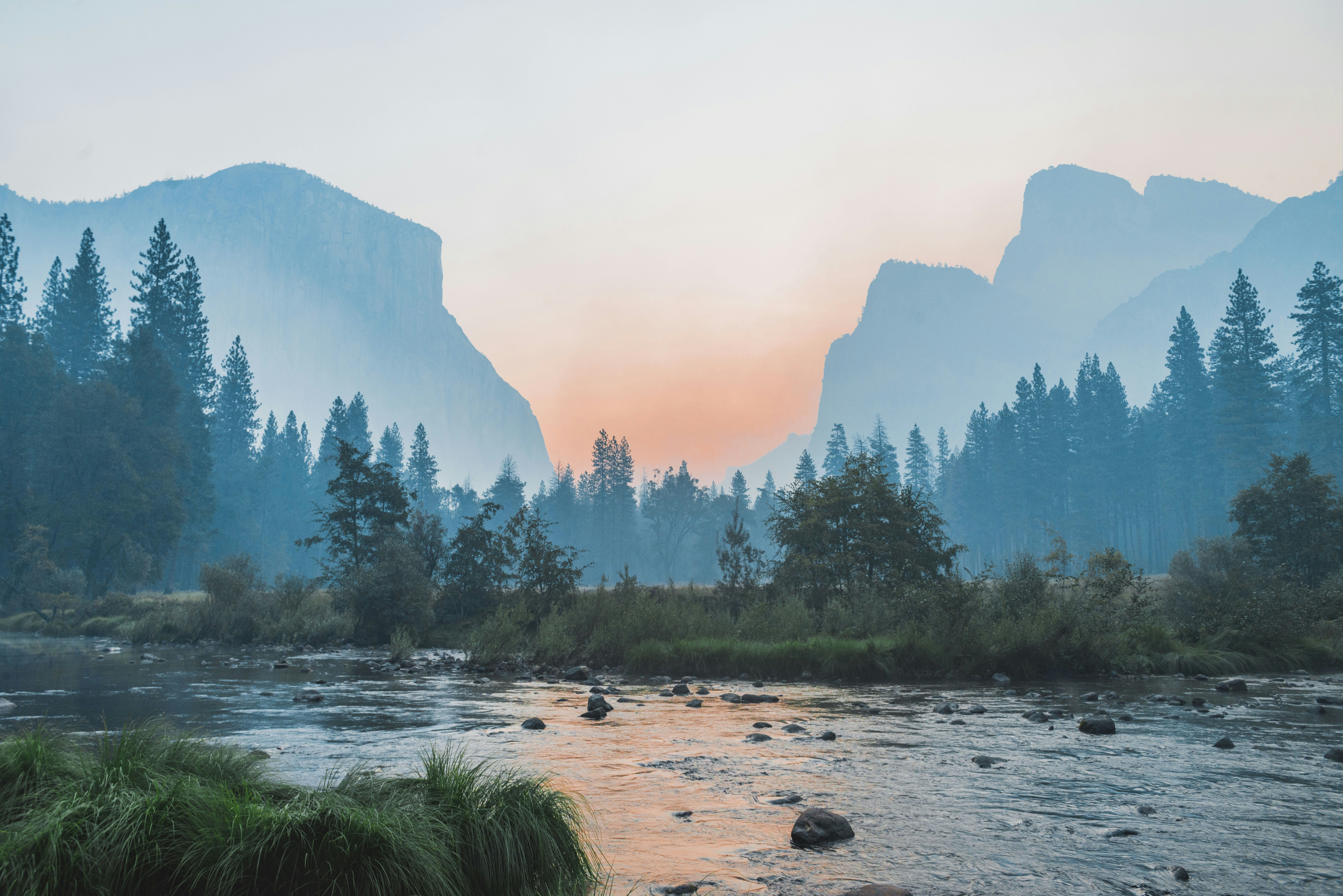
High Alpine
Sunshine Meadows
Gondola and chairlift access to high-alpine meadows, lakes and walking trails.
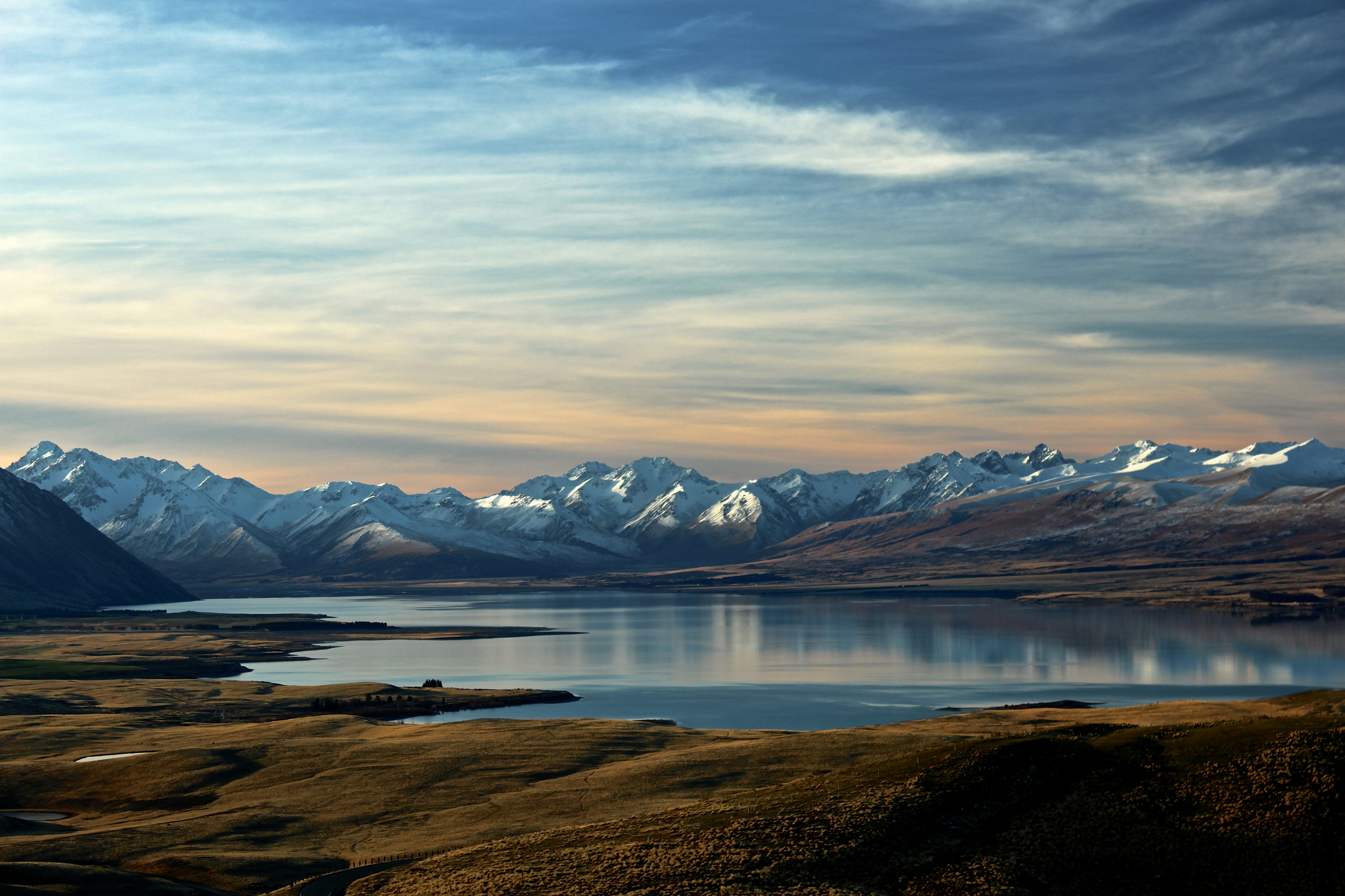
Adventure
Via Ferrata — Mt. Norquay
Climb high above Banff using a guided system of cables, ladders and fixed anchors.
Lake Minnewanka Cruise
Experience Banff’s largest lake from the water.
Water & Lake
Canoeing
Paddle iconic mountain waters including Lake Louise and other permitted locations.
Water & Lake
Skiing & Snowboarding
Explore Banff Sunshine, Lake Louise Ski Resort and Mt. Norquay during winter.
Winter Expeditions
Hot Springs
Relax in naturally heated mineral water overlooking the mountains.
Wellness & Rest
Fishing
Private Fishing experience in lake minnewanka.
Private Pursuits
Horseback Riding
Discover Banff’s landscapes in the tradition of the early Rocky Mountain explorers.
Wilderness Trail
On the trail
Walks and climbs
01Moraine Lake Lakeshore
easy · 2.6 km return
An easy walk with continuous views across Moraine Lake.
02Lake Louise Lakeshore
easy · Approx. 4 km return
A gentle introduction to Lake Louise with increasingly beautiful glacier views.
03Johnston Canyon — Lower Falls
easy · 2.2 km return
A family-friendly canyon walk leading to one of Banff’s most popular waterfalls.
04Lake Agnes Tea House
moderate · 7.8 km return
Climb above Lake Louise to an alpine lake and historic seasonal tea house.
05Plain of Six Glaciers
moderate · 11.8 km return
Walk beyond Lake Louise toward glaciers and towering mountain walls.
06Larch Valley
moderate · Approx. 9 km return
A spectacular alpine trail, especially famous when the larch trees turn gold in autumn.
07Sentinel Pass
challenging · Approx. 11 km return
Continue beyond Larch Valley into one of Banff’s most dramatic alpine passes.
08Fairview Mountain
challenging · Approx. 10 km return
A demanding climb rewarded with extraordinary views over Lake Louise.
Must visit
The landmarks that define Banff
Iconic Landmark
In pictures
Scenes from the park
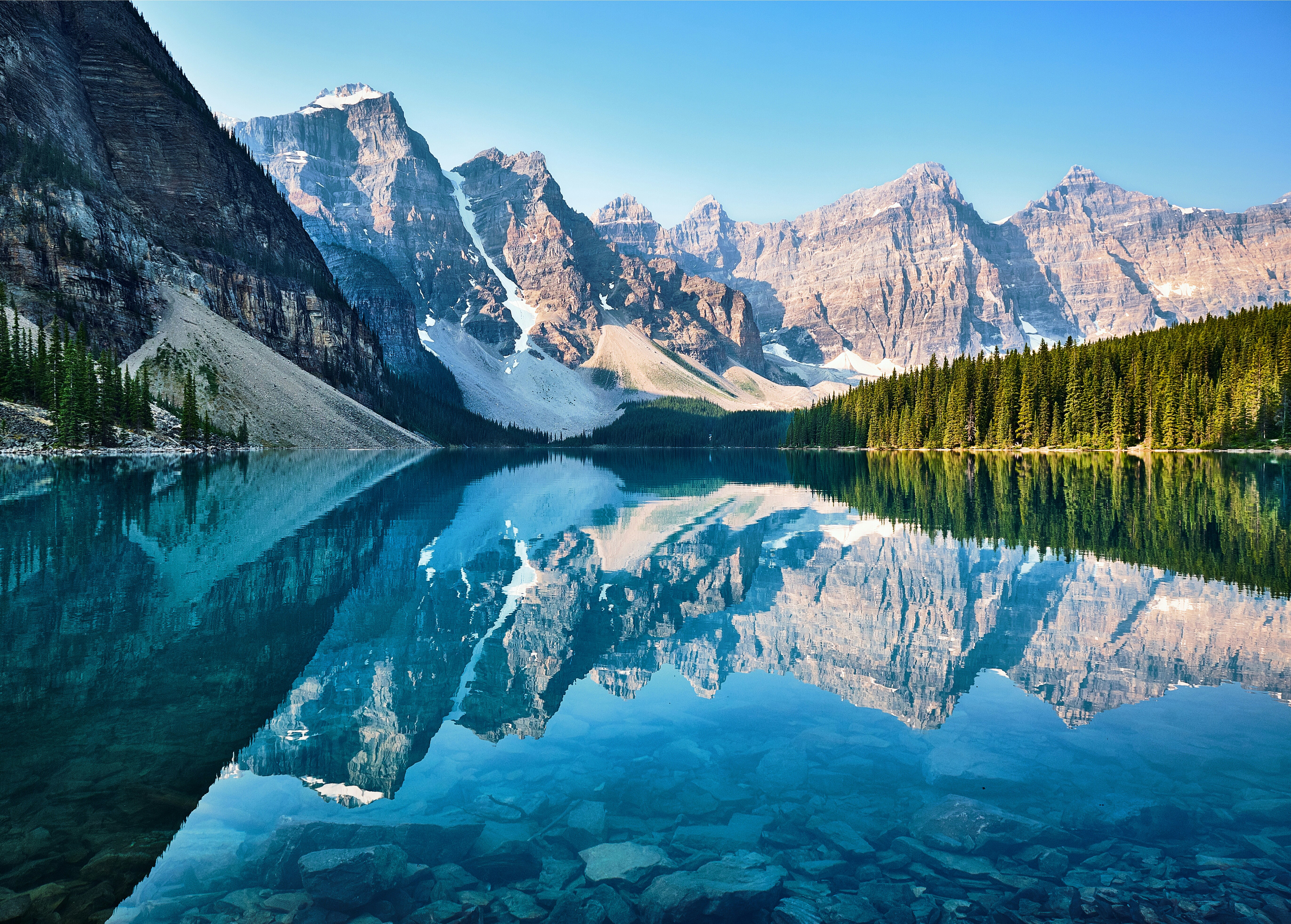
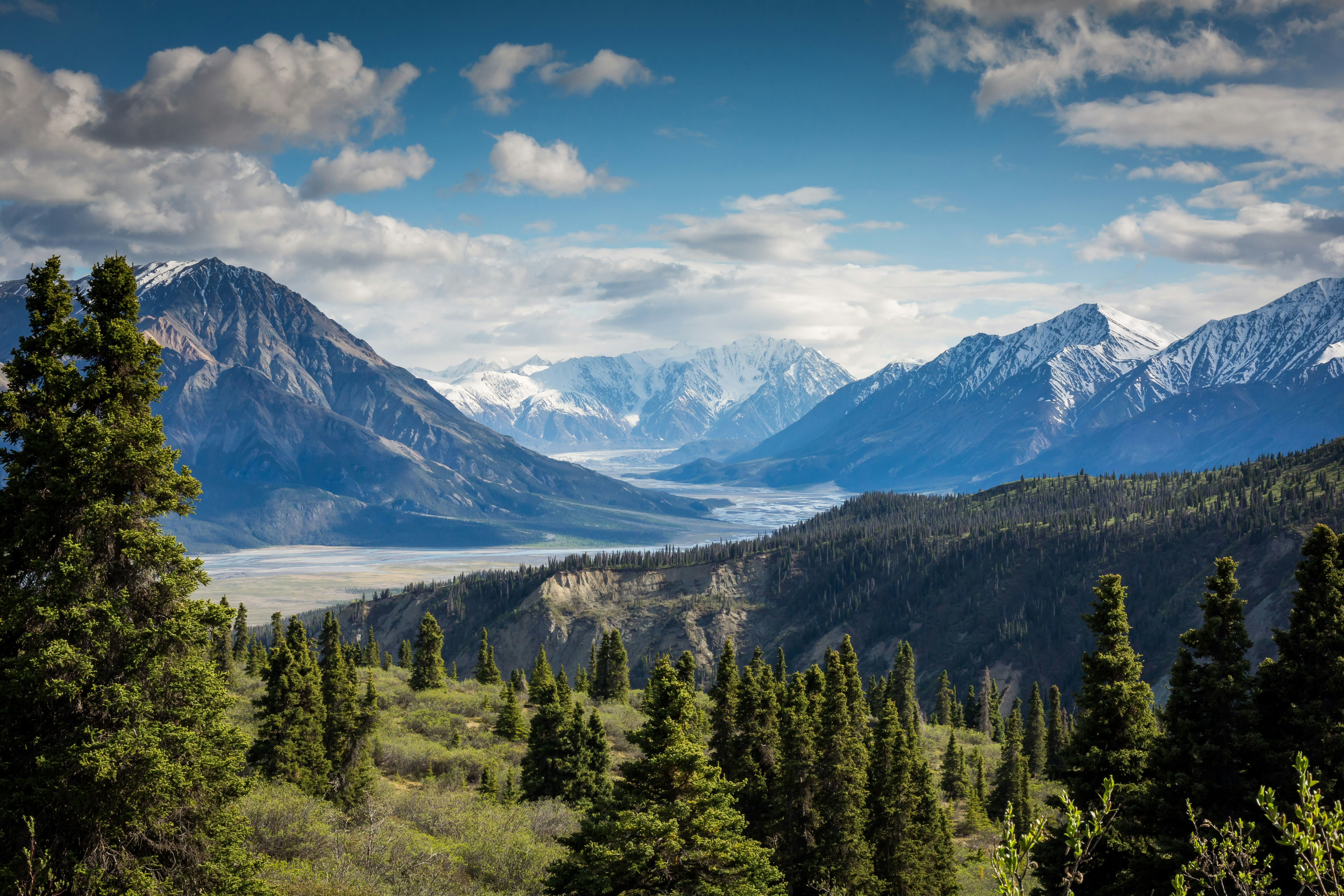
The story of the place
A landscape shaped by mountains, water and time
Banff's story began in 1883 when three Canadian Pacific Railway workers stumbled upon a cave containing natural thermal hot springs on Sulphur Mountain. In 1885, Canada established Banff as its first national park. Throughout the early 20th century, the railway commissioned grand iconic châteaux including the Banff Springs Hotel and Château Lake Louise to welcome aristocratic explorers. Today, it stands as the timeless epicenter of alpine grandeur.
Spanning 6,641 square kilometres along the Continental Divide in western Alberta, Banff encompasses towering limestone summits of the Front and Main Ranges, extensive glacier systems including parts of the Columbia Icefield, and the azure headwaters of the Bow River threading through turquoise glacial lakes.
Wildlife of the park
Grizzly Bear · Black Bear · Elk · Moose · Mountain Goat · Bighorn Sheep · Wolverine · Cougar · Grey Wolf · Bald Eagle
Find it
Where is Banff?
Banff sits in Alberta, Canada. The panel marks the park until a live map is connected.
National park
Alberta
Canada
- Coordinates
- 51.4968° N, 116.1782° W
- Elevation
- 1,884 m (6,181 ft)
- Protected area
- 6,641 km²
- Established
- 1885
- UNESCO
- UNESCO World Heritage Site (1984)
Practical notes
Travel with the mountain, not against it
Arrival
Getting there
Airport
Calgary International (YYC) is the usual gateway, about ninety minutes by road.
Road
The Trans-Canada enters the Bow Valley. The Icefields Parkway continues north toward Jasper.
Train
Banff’s historic station still anchors rail journeys through the Rockies.
In the park
Roam transit links Banff, Canmore and Lake Louise. A park pass is required for stops inside the park.
The year
Weather
Summer
June to September offers turquoise lake reflections and full alpine trail access. October brings golden larches in Larch Valley. December to April delivers pristine winter skiing across the Big 3 resorts.
Autumn
Clearer trails and thinner crowds around Banff, with frost arriving first on the summits.
Winter
Snow settles over Banff. Daylight is short, the air is dry, and the landscape feels newly emptied.
Spring
Waterfalls run full as the snowpack releases. Higher routes around Banff open late.
Before you go
Travel tips
What to pack
Layers, a rain shell, broken-in shoes and sun protection. Mountain weather turns inside an hour.
Safety
Stay on marked routes, carry water, and read the day’s trail and road alerts before leaving town.
Wildlife awareness
Give Grizzly Bear, Black Bear, Elk plenty of room. Never approach or feed an animal.
Park rules
A valid national park pass is required. Drones, off-trail travel and feeding wildlife are restricted.
Through the year
Experience the destination
Spring
Meltwater fills the rivers around Banff. Lower trails open while the high country is still waking.
Suggested · Moraine Lake Lakeshore
Summer
June to September offers turquoise lake reflections and full alpine trail access. October brings golden larches in Larch Valley. December to April delivers pristine winter skiing across the Big 3 resorts.
Suggested · Banff Gondola
Autumn
The light softens over Banff. Crowds thin, and the high country turns gold before the first lasting snow.
Suggested · Larch Valley
Winter
Banff settles under snow. Days are bright, cold and made for a slower kind of mountain travel.
Suggested · Skiing & Snowboarding
Explore this destination
Tours you may like

Canada · Alberta
Your Canadian adventure starts here
Discover the places that make Canada unforgettable — beginning with Banff.